


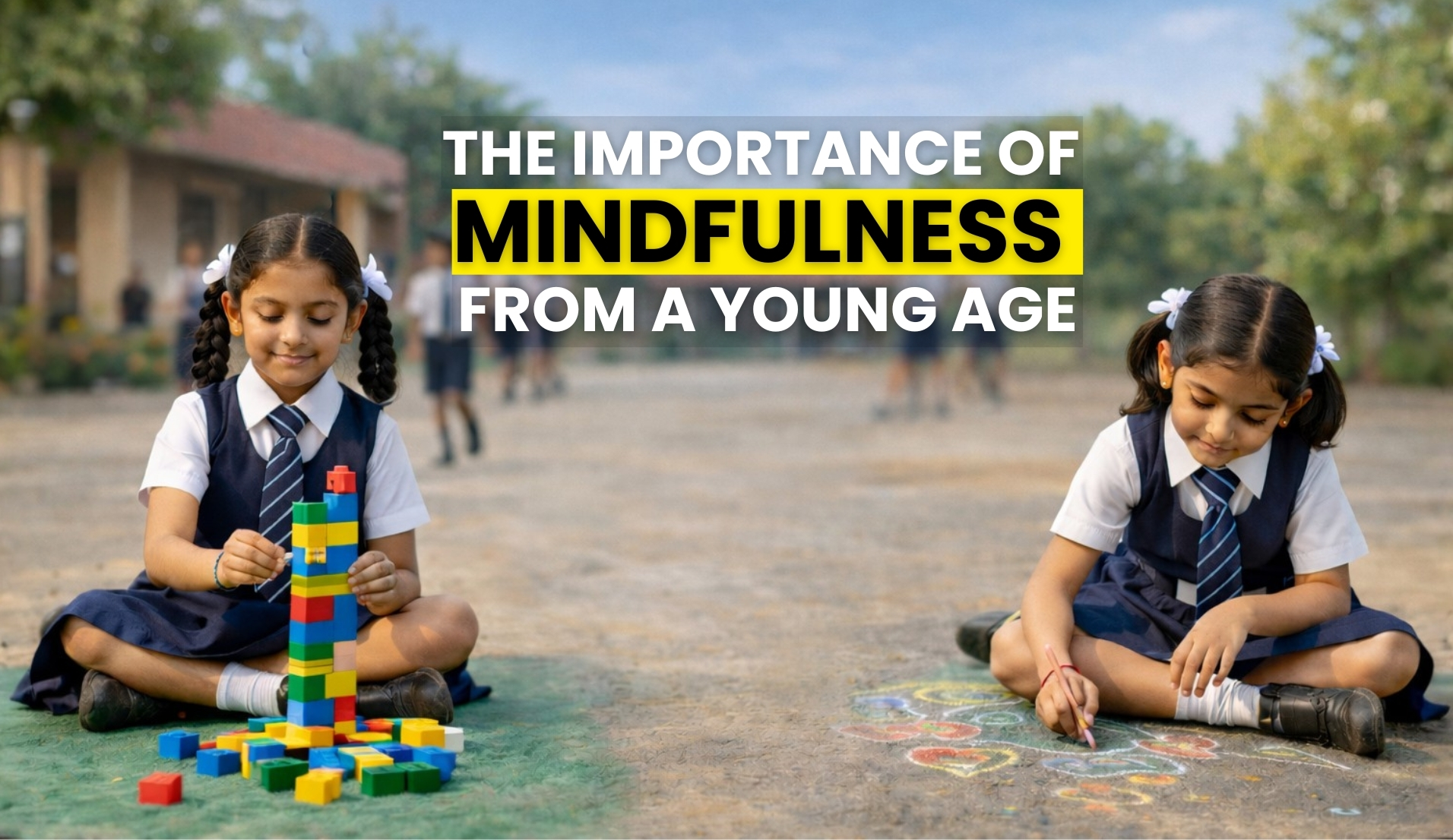
Introduction: Why Mindfulness Matters in Today’s Education
It's 2026, and many schools are still using the same old books, the same old techniques, and the same old way of teaching, which is not the best if we consider the overall growth of a young child.
Children today are smarter and more adaptable than previous generations. They quickly adjust to new environments, technologies, and ideas, and they are naturally curious to learn new things. This is where mindfulness plays a vital role in modern education. Mindfulness helps children become more aware of their thoughts, emotions, and actions, allowing them to stay calm, focused, and present in the moment.
By integrating mindfulness into education, schools can help students develop healthy coping skills that prepare them for both academic success in the classroom and real-life challenges beyond it.
What Is Mindfulness for Children?
Mindfulness refers to the practice of paying attention to the present moment and noticing thoughts, emotions, and sensations without judgment. For children, mindfulness means living in the moment, focusing on the current class, or being aware of how their body feels after running, playing, or jumping.
Some common examples of mindfulness activities for children include simple breathing exercises, guided meditations, body scans, or reflection circles. All of these are designed to help them focus, manage emotions, and become more aware of themselves and their surroundings.
Why Teaching Mindfulness from a Young Age Is Important
Mindfulness fosters a sense of discipline and self-awareness in students, preparing them for the future. Teaching it early is crucial because the habits and attitudes children develop in their early years stay with them for life. Here are some reasons why it is important to introduce mindfulness at a young age:
1. Improves Focus and Concentration
- Mindfulness practices often include simple forms of meditation, where students are guided to focus on their breathing or a particular sound or object.
- Even when their minds wander, mindfulness teaches children to gently bring their attention back, training their brains to focus better over time.
2. Builds Emotional Awareness
- Through mindfulness, children learn to recognize their feelings instead of reacting impulsively.
- This emotional awareness helps them manage frustration, resolve conflicts more calmly, and maintain positive relationships with peers and teachers.
3. Helps Manage Stress and Anxiety
- Children, especially in their teenage years, often feel stressed about exams, homework, and peer pressure.
- Simple breathing exercises or short meditation sessions can help students calm their minds before exams or after a stressful day, reducing anxiety and improving performance.
4. Supports Overall Mental Well-Being
- Educational psychology suggests that mindfulness supports working memory, executive function, and problem-solving skills.
- Over time, these skills contribute to better academic performance, emotional balance, and healthier behaviour in and outside the classroom.
Key Benefits of Mindfulness for Students
When mindfulness becomes a regular part of school life, students begin to experience many long-term benefits. Some of the key benefits include:
1. Strengthens Social Skills and Empathy
- Mindfulness encourages students to listen carefully, observe without judgment, and respond with kindness.
- This helps them understand others’ feelings better, leading to stronger friendships and healthier relationships with both peers and teachers.
2. Encourages Positive Behaviour and Discipline
- Students who practice mindfulness regularly tend to be more patient, respectful, and disciplined.
- This improves classroom behaviour and creates a peaceful learning environment where everyone can focus better.
3. Builds Emotional Resilience
- By practicing mindfulness, students learn how to cope with setbacks, failures, and academic pressure.
- Instead of giving up, they are more likely to try again with confidence and a positive mindset.
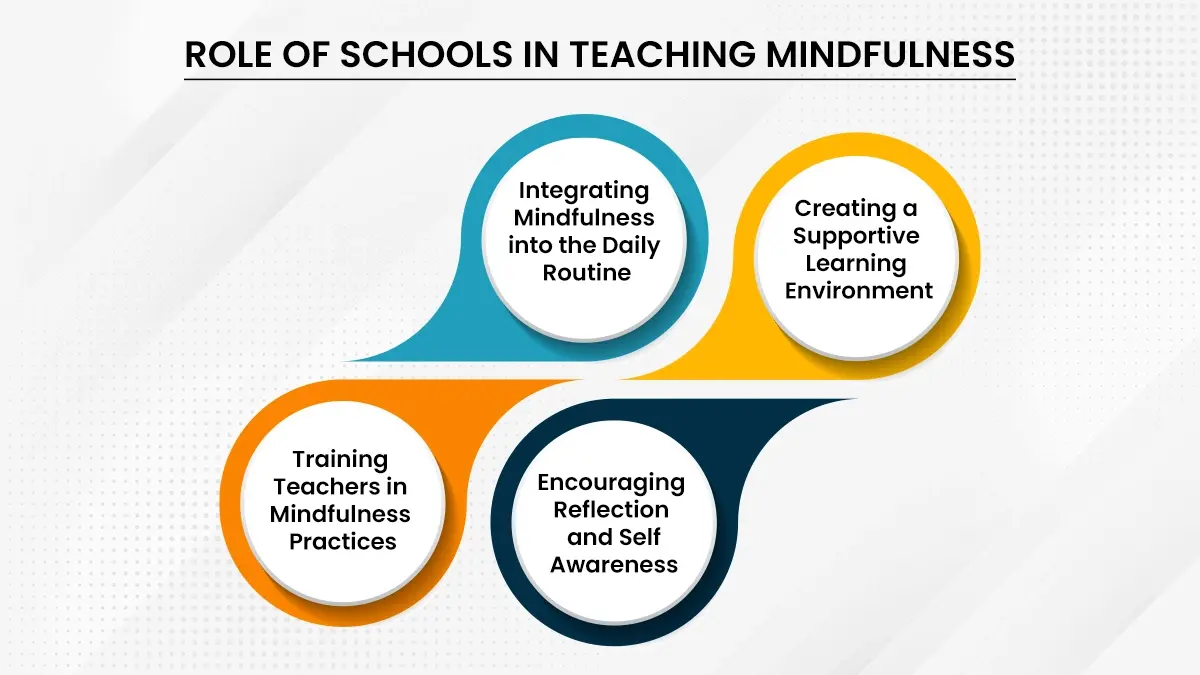
Role of Schools in Teaching Mindfulness
Schools are where students spend most of their time, which makes them the ideal place to introduce and practice mindfulness. Schools that take mindfulness seriously play a powerful role in shaping calm, confident, and emotionally strong students. Here are some ways schools can support mindfulness:
1. Integrating Mindfulness into the Daily Routine
- Schools can add short mindfulness breaks into the daily timetable, such as a few minutes of deep breathing after assembly or before exams.
- Weekly yoga or relaxation classes can also include mindfulness practices like breathing exercises, silent reflection, or guided relaxation sessions to help students stay calm and focused.
2. Creating a Supportive Learning Environment
- A school environment where students and teachers learn mindfulness together encourages emotional safety, positivity, and mutual respect.
- Such an environment allows students to express themselves without fear or pressure, which supports better mental health and learning.
3. Training Teachers in Mindfulness Practices
- When schools provide mindfulness training to teachers, it becomes easier for them to guide students effectively.
- Trained teachers can confidently lead short mindfulness sessions, manage classroom stress, and support students during emotional challenges.
4. Encouraging Reflection and Self-Awareness
- Activities such as journaling, group discussions, and quiet thinking time encourage students to reflect on their thoughts, actions, and emotions.
- Regular reflection helps students understand themselves better and make wiser choices in daily life.
Role of Teachers in Practicing Mindfulness with Students
Teachers play a central role in helping students practice mindfulness in the classroom. When teachers themselves are calm and mindful, it naturally influences students in a positive way.
1. Teachers as Role Models
- Teachers who practice mindfulness regularly can act as role models for their students.
- Their calm and positive presence helps create a peaceful classroom atmosphere, encouraging students to adopt mindful habits naturally.
2. Guiding Short Mindfulness Sessions
- Teachers can guide short mindfulness sessions during the day, such as deep breathing, short meditations, or mindful listening exercises.
- These simple activities help students relax, reset, and improve their concentration before continuing their lessons.
3. Improving Focus and Classroom Engagement
- Mindfulness sessions help students stay focused during long or challenging lessons.
- With better focus and memory, students are more engaged, participate actively, and perform better academically.
4. Reducing Stress and Building Better Relationships
- Mindfulness promotes empathy and understanding, helping students build stronger, more respectful relationships with peers and teachers.
- This reduces conflict and stress in the classroom, creating a more supportive learning space for everyone.
Conclusion: The Importance of Mindfulness Defined
Mindfulness is no longer an optional practice in education; it is an essential life skill in today’s fast-paced world. Teaching mindfulness from a young age helps students develop focus, emotional awareness, resilience, and self-discipline, enabling them to perform better academically while maintaining strong mental well-being.
At Vivekanand Assandh, mindfulness is seen as a core part of holistic education, helping students grow into calm, confident, and responsible individuals. By integrating mindfulness into daily school life, the school creates a supportive and positive learning environment where students feel safe to express themselves and learn with clarity.
This approach prepares children not just for examinations, but for real-life challenges, building emotional balance, empathy, and lifelong learning habits that stay with them beyond the classroom. Looking for a school that truly focuses on your child’s mental and emotional growth? Contact Vivekanand Assandh today to learn how we nurture mindful, focused, and confident students.
FAQs: The Importance of Mindfulness
1. Why is mindfulness important for young people?
Ans- Mindfulness helps young people stay calm, stay concentrated, and feel less stressed, even during challenging situations like exams or peer pressure.
2. What are the benefits of mindfulness for children?
Ans- Teaching children mindfulness gives them more control over their actions and emotions and creates a space between their urges and their responses, helping them make better choices.
3. What is the main purpose of mindfulness?
Ans- The main purpose of mindfulness is to live in the present moment with full awareness—being fully engaged in what you are doing, thinking, and feeling right now.
4. How can mindfulness improve focus in kids?
Ans- Breathing exercises and simple mindfulness practices improve concentration, as children are trained to gently bring their attention back to their breath or activity whenever their mind starts to wander.
Get more information
