


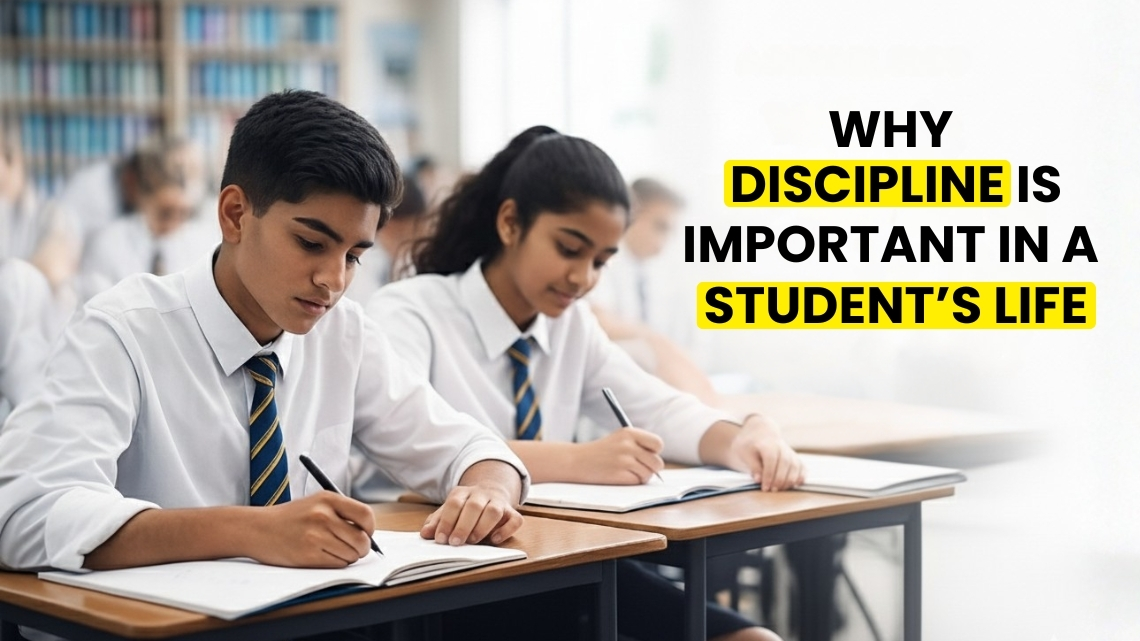
Introduction of Discipline in a student's life
Discipline is known as a road to development in any person's life. Still, many people are unable to remain disciplined throughout their lives, which is why it is important to learn about the importance of discipline at a young age.
Discipline plays a vital role in shaping a student's life, serving as a mode of personal growth and development. It instills a sense of responsibility, focus, and commitment, helping students achieve their academic and personal goals. Discipline does not mean controlling your life through a set of rules; instead, it helps to impart consistency, respect, and perseverance in academics and personal development.
As we go into further details, we’ll understand what discipline is in a student’s life, why it is important, how it influences success, and much more.
What Is Discipline in a Student’s Life?
Discipline in a student’s life is a combination of self-control, consistency, and responsibility, which involves following routines, staying focused on tasks, and managing time effectively to achieve goals.
It is about making choices that lead to growth, such as completing assignments on time, respecting rules, and prioritizing long-term success over immediate gratification. Its key aspects are self-discipline, academic discipline, and behavioral discipline.
Why Discipline Is Important for Students
Discipline can be and should be a part of every student's life. Here are some points denoting its importance:
- Builds Consistency: Discipline enables students to build consistency over time, which helps them to do the work they don’t like but know is important to do, like doing homework, completing projects on time, and preparing for tests.
- Time Management and Confidence Building: Discipline makes your daily important tasks like habits, and doing things like homework multiple times makes them easier and quicker to complete. This also increases confidence as the subjects become easier and joyful.
- Helps Achieve Long-Term Goals with Responsibility and Accountability: Discipline leads to the achievement of long-term goals like achieving better marks in academics, building a shaped personality, and career growth, while teaching the responsibility and accountability to handle this growth.
- Reduces Stress and Confusion: Students would study the whole year, making them stress-free for the upcoming exams and hence, preventing any confusion about what to study, as they would have already studied everything.
- Prepares for real-life challenges: Skills like stress management, consistency, and completing work on time help in real-life challenges.
How Discipline Influences Success Beyond Academics
Discipline not only helps in your academic success, but it also influences the success beyond it into your business or job. Here are some aspects that define discipline beyond academics:
- Better Decision-Making: Discipline helps your mind stay calm in furious situations, helping you make better decisions at the right time.
- Strong Character Development: As an adult, character-building is very important to make an impact on society, which is why characteristics like strong personality, sharp mind, empathy towards others, and a great physique are important.
- Leadership Qualities: A leader should have a strong personality because people only listen to the person with the best personality.
- Emotional stability:Discipline helps in managing tasks timely, handling emotions, and making thorough decisions, helping a person to manage stress and be mentally stable.
Role of Teachers in Teaching Discipline
Students learn from their role models and mentors, and many students see their teacher as a role model from whom they can learn new things, which is why a teacher needs to help their students learn discipline. Here are some points in which teachers help their students:
>- Setting Rules and Routine: Even though discipline does not mean following rules, in some conditions, it is important to set some ground rules that would help students to follow a routine, building a strong character.
- Classroom Management: Positions like classroom management or class monitor help students build leadership skills.
- Reward Systems & Teaching Consequences: teachers should reward students for their consistency and discipline; on the other hand, they should also punish students when they are irresponsible.
Role of Parents in Developing Discipline
Children learn from their role models and mentors, and for many children, parents are their role models from whom they can learn new things, which is why parents need to help their children learn discipline. Here are some key aspects in which parents can help their children:
- Home Routine: Parents can help their children build a home routine that would help them stay disciplined during the day, after school, and even on holidays.
- Setting Boundaries: As a parent, setting boundaries is very important so that children will know that doomscrolling on their phones for the whole day won’t get them anything; instead, parents can encourage their children to study the topics that interest them during holidays and do their homework on a fixed schedule.
- Supporting without being strict: Parents should support their children in every task they do without being controlling or strict, creating a good and encouraging environment around the house.
Tips for Students to Stay Disciplined
Here are some tips that can help students stay disciplined:
1. Create a Daily Routine
Set fixed timings for studying, sleeping, eating, and relaxing to bring consistency to your day.
2. Set Clear Goals
Break big goals into small, achievable tasks so that you stay focused and motivated.
3. Avoid Distractions
Keep your phone away while studying, turn off notifications, and maintain a distraction-free study space.
4. Stay Organized
Keep your books, notes, and study materials arranged so you don’t waste time searching for things.
5. Follow a Study Schedule
Use planners, calendars, or timetables to keep track of what to study and when.
6. Practice Self-Control
Delay short-term pleasures (like extra phone time) for long-term benefits.
7. Take Breaks Wisely
Use methods like the Pomodoro technique to balance study and rest without losing discipline.
8. Maintain Healthy Habits
Eat well, sleep enough, and exercise regularly to keep your mind fresh and focused.
9. Stay Positive and Motivated
Remind yourself why discipline matters and celebrate small achievements to stay encouraged.
Conclusion:
Discipline is one of the strongest foundations a student can build during their early years. It brings structure to their routine, strengthens their decision-making, and helps them stay calm and confident even during challenges. By practicing consistency, responsibility, and self-control, students not only improve academically but also develop qualities that shape their character, leadership skills, and emotional stability. Both parents and teachers play a major role in nurturing discipline, and when children receive the right guidance, they grow into focused, resilient, and capable individuals prepared for future success.
At Vivekanand Assandh, we nurture discipline through structured learning and strong value-based education. Give your child the guidance they need to grow academically and personally. Enroll today and help them shape a disciplined and successful future.
FAQs—Discipline in a student's life
1. What is discipline in a student's life?
Ans- Discipline in a student’s life refers to a combination of self-control, consistency, and responsibility, which involves following routines, staying focused on tasks, and managing time effectively to achieve goals.
2. What is your discipline as a student?
Ans- As a student, your goal for discipline should be to keep yourself focused in classes, balance studies and extracurricular activities for overall personality growth, and learn time management.
3. What are the 5 pillars of discipline?
Ans- The five pillars of self-discipline are acceptance, willpower, hard work, industry, and persistence.
Get more information
